Concrete Patios Help for Homeowners
Request an estimate for your patio
A new patio adds space to use and value to keep. It also adds weight, water runoff and a new edge against your house. Planning in the right order helps you avoid costly mistakes later.
Machinescash Concrete is a referral service. We do not pour concrete. We connect homeowners in the Grapevine area with independent providers in our network. You describe the project, get matched, compare written quotes, then decide. This page walks you through each step, plus the questions to ask and the red flags to spot.
Check These Three Things First
First, decide where the patio will go. Next, note any slope or wet spots in that area. Then, look at how the slab will meet the house. A provider needs these facts to quote the job correctly.
If you see cracked walls or sticking doors, talk to foundation repair experts before adding any slab. A patio should not be poured over a problem no one has solved.
Timing Around Storm Season
Heavy downpours can damage fresh concrete. Rain also pushes back schedules. Ask each provider how they protect a pour when rain is in the forecast.
Many providers can respond quickly to new requests, but pour dates still depend on weather and their workload. Request a callback to check provider availability.
Step 1: Describe the Project
Write down what you know before you talk to anyone. A short list is enough:
- Rough size and shape
- How you will use it: dining, grilling, seating
- Finish you like
- Your budget range
- A few photos of the yard
Clear notes lead to clearer quotes.
Step 2: Check Before Pouring
Some items must be settled before any digging starts.
- Buried utility lines should be marked.
- Ask whether your area or HOA requires a permit.
- Confirm property lines and any setback rules.
- Note tree roots near the planned slab.
Ask the provider who handles each item, and get the answer in writing.
Sizing Your Patio
Plan the size around your furniture, not a guess. A table for four often needs about 10 by 10 feet, plus room to pull out chairs. Add a few feet around the edge for walking.
If you will use a grill, give it its own zone. Bigger slabs cost more, so size for real use. Concrete flatwork is easier to extend later than to shrink.
Drainage Comes Before Looks
Water must run away from the house. A slight slope is normal, often around a quarter inch per foot, but the right number depends on your lot. Ask the provider where rain will go.
On a flat patio, tropical-style downpours leave puddles. Puddles stain the surface and soak the soil beside your home.
Protect the Foundation
Many homes here sit on slabs. Keep the patio surface below the siding line. Do not cover brick weep holes or vents.
Older pier-and-beam houses need airflow under the floor. Ask the provider how the new slab will avoid blocking vents. A joint between patio and house also helps the two move separately.
First, the Base
The base matters more than most people expect. Soft ground settles, and settled slabs crack.
Ask about these items:
1. How the soil will be compacted 2. What gravel base goes under the slab 3. Slab thickness, often about four inches for patios 4. Reinforcement, such as rebar or wire mesh 5. Where control joints will be cut
Finish Options
Pick a finish for how you live, not only for looks.
- Broom finish: simple and grippy when wet.
- Exposed aggregate: a pebbly, textured look.
- Stamped concrete patios: patterns that mimic stone or brick, usually sealed.
- Color: mixed in or stained on top.
Avoid a very smooth trowel finish outdoors. It gets slick in rain.
Heat and Summer Sun
Hot summers affect both comfort and the pour. Dark surfaces get hot underfoot, so lighter colors and some shade help. Ask how the provider cures concrete in high heat, because fast drying can cause cracks. Early-morning pours are one common answer.
Questions to Ask a Provider
Use the same list with every provider:
1. Are you licensed and insured where required? 2. Who handles permits and utility marking? 3. What base and thickness do you plan? 4. How will water drain? 5. What is the schedule, and what happens if it rains? 6. What does the quote include and leave out?
What a Good Answer Sounds Like
A good answer is specific. "We compact the base, pour four inches, and slope the slab away from the house" is clear. The provider names the steps and does not rush you.
Expect them to explain trade-offs, such as cost versus finish. They should welcome follow-up questions.
Red Flags
Be careful if you hear any of these:
- Pressure to sign today
- A large payment demanded up front
- No mention of base, slope or drainage
- A vague quote with one lump number
- No proof of insurance when you ask
Quote in Writing
Compare at least two written quotes. Check that each lists size, thickness, base, finish, sealer, removal of old material and cleanup. Look at payment terms and the expected timeline. A quote you can read line by line is easier to compare and to hold to.
Caring for the New Patio
Then, protect your investment after the pour.
- Keep foot traffic and furniture off until the provider says it is ready.
- Rinse often and sweep debris.
- Reseal stamped or stained surfaces on the schedule the provider gives you.
- Keep gutters and downspouts directing water away.
Why This Protects Home Value
A well-built patio looks good, and buyers notice problems like cracks, pooling water and poor finishes. Careful planning protects the house itself, since water near the foundation causes costly trouble. Hiring carefully now helps your home hold its value later.
What's Included
Site Check
A provider looks at slope, soil, access and where the patio meets the house before quoting.
Base and Forms
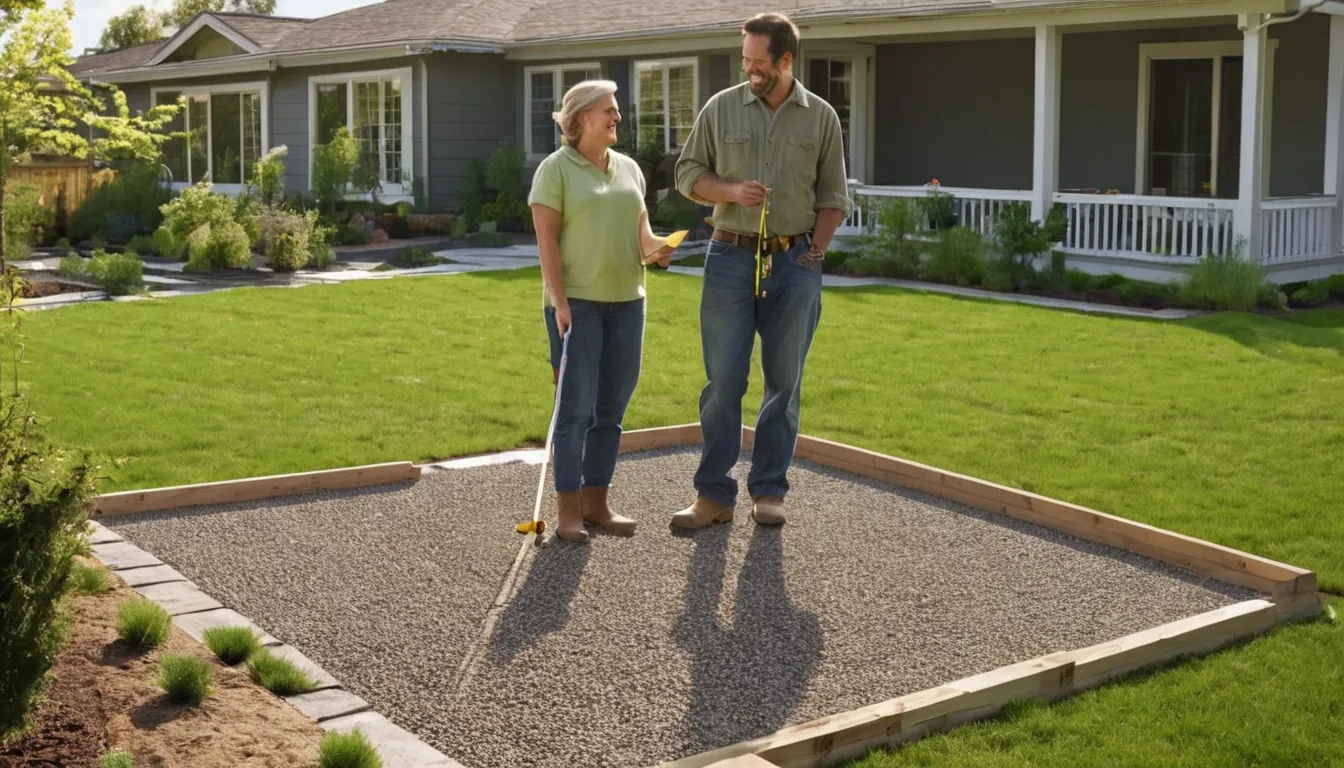
Ground is graded and compacted, a gravel base is set, and forms outline the shape.
Pour and Finish
Concrete is placed, leveled and finished with the texture, color or pattern you chose.
Joints and Cleanup
Control joints are cut, sealer is applied if planned, and debris is hauled away.
Typical Patio Cost Ranges in the U.S.
These are general U.S. ranges. Real prices vary by size, soil, finish, access and local rates. Use them to spot a quote that looks far off, and always request a written quote.
| Item | Typical range | Notes |
|---|---|---|
| Basic broom-finish slab | $6 – $12 per sq ft | Common, simple option |
| Stamped concrete patio | $12 – $22 per sq ft | Pattern and color add cost |
| Exposed aggregate | $8 – $18 per sq ft | Textured, pebbly look |
| Site prep and gravel base | $1 – $5 per sq ft | Rises with poor soil |
| Sealer | $1 – $3 per sq ft | Often needed every few years |
| Permit and old slab removal | $100 – $2,500 total | Depends on rules and size |
How It Works
Describe Your Project
Share the size, use, finish and budget you have in mind, along with a few photos.
Get Matched Locally
Machinescash Concrete connects you with an independent provider in our network serving the Grapevine area.
Compare Written Quotes
Line up each quote item by item and ask about anything unclear or missing.
Decide and Schedule
Pick the provider you trust, confirm the dates in writing, and plan for weather.
Why Call Machinescash Concrete
Plan Before You Pour
Settling size, drainage and finish first helps you avoid rework once the concrete has set.
Compare Quotes
Written quotes from different providers show you what is included and what is missing.
Ask Questions
Clear answers about base, slope and permits show a provider has done this work before.
Protect Value
Good drainage and clean finishes keep your home sound and appealing for a future sale.
Other Services
Need concrete patios help in Grapevine?
Planning a new driveway, patio or stamped surface? Send the basics through the form and a local provider in our network can follow up with questions and a written quote.
No obligationConcrete Patios Help FAQ
How thick should a concrete patio be?
Many residential patios use about four inches of concrete over a compacted base. Thicker slabs may suit heavy loads like hot tubs. Ask the provider what thickness they plan and why, and get it in writing.
How long before I can use a new concrete patio?
Light foot traffic is often possible after a few days, while furniture and heavy items usually wait longer. Hot or wet weather changes timing, so follow the cure schedule your provider gives you.
Do I need a permit for a concrete patio?
It depends on your area, patio size and HOA rules. Some places require a permit and some do not. Ask the provider who handles it, and check with your local building office.
Tell us what happened
Planning a new driveway, patio or stamped surface? Send the basics through the form and a local provider in our network can follow up with questions and a written quote.
No obligation