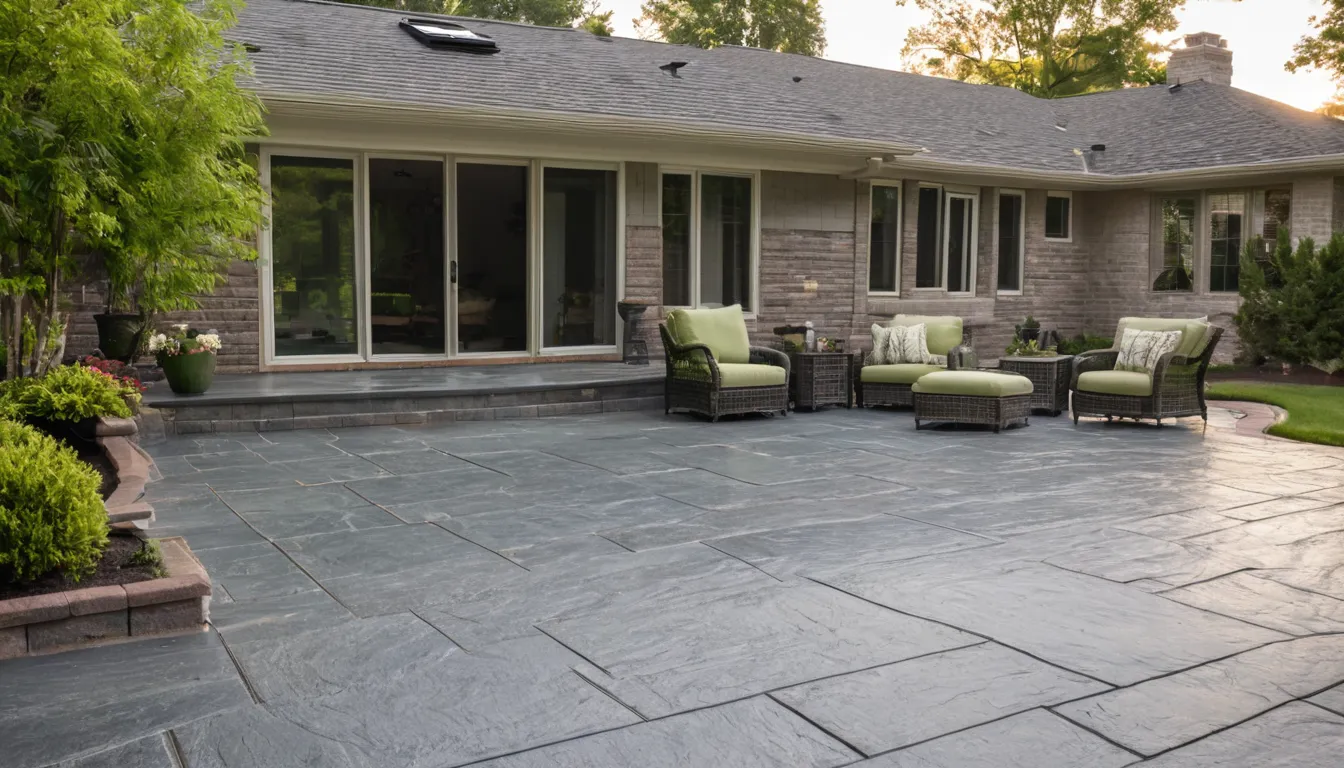
Residential Stamped Concrete for Patios and Walkways
Request an estimate for your project
Stamped concrete is a poured slab that is colored and pressed with patterns. It can look like flagstone, brick, slate or wood. Homeowners often pick it for patios, walkways, pool decks and driveways because it gives a finished look from one continuous pour.
Machinescash Concrete is a referral service. We do not pour or stamp concrete. We connect homeowners in the Grapevine area with independent local providers who do. Describe your project, compare written quotes, and ask the right questions before any work starts. Doing this in order protects your home, your yard and your resale value.
Before You Call Anyone: 3 Quick Decisions
Start with the basics. Settle these three things first.
- Where: patio, walkway, pool deck or driveway.
- Look: stone, brick, slate or wood pattern.
- Budget: a rough range you are comfortable with.
With these in hand, quotes are easier to compare.
What Stamped Concrete Is
It is regular concrete with color and a texture pressed into the surface while it is still soft. Crews use rubber mats that leave the pattern behind. The result is one solid slab, not hundreds of separate pieces. This kind of concrete flatwork can lift the look of a plain backyard.
How It Is Made, Step by Step
1. First, the base. The provider clears the area, grades it and packs a gravel layer. 2. Next, forms and reinforcement go in. 3. Then the concrete is poured and leveled. 4. Color is added to the mix or on the surface. 5. Mats are pressed in before the slab sets. 6. Joints are cut, and a sealer goes on last.
Ask the provider to walk you through each step.
First, the Base
A stamped surface is only as good as what sits under it. Soft or poorly drained soil leads to cracks and sinking. In a region with heavy downpours and tropical storms, water has to run away from the slab and the house. Ask how the provider plans to grade and compact the ground.
Check Before Pouring
Before the truck arrives, go through this list:
- The pattern and color samples are approved.
- The slab slopes away from the house.
- Sprinkler lines, drains and utilities are marked.
- Any permit or HOA approval is in place.
- The pour date has weather room built in.
It is easier to fix a plan than a hardened slab.
Popular Patterns and Colors
Common picks include ashlar slate, random stone, brick herringbone and wood plank. Earth tones such as tan, gray and soft brown hide dust and leaf stains well. Pick a color that suits your siding. Brick and vinyl homes both pair well with warm neutrals.
Colors in Hot Summers
Dark surfaces can get very hot in direct sun. If your patio has little shade, lighter tones are more comfortable on bare feet. Ask the provider about a slip-resistant sealer too. Wet stamped concrete can be slick, and humid weather keeps surfaces damp.
Where Stamped Concrete Works Well
- Back patios beside slab-on-grade ranch homes
- Front walkways and entry landings
- Pool decks and outdoor kitchens
- Driveways, when the base is built for vehicles
Many homeowners search for stamped concrete patios because they want a clean, matching look across the yard.
Match the Slab to the House
On a slab-on-grade home, a new patio should sit slightly below the door threshold and slope away. On an older pier-and-beam house, extra care is needed near the crawlspace vents and piers. If you see signs of settling, talk with foundation repair experts before adding anything new near the house.
Stamped Concrete vs. Pavers
Pavers are individual units. A single paver can be lifted and replaced, but joints may grow weeds. Stamped concrete is one slab, so it has fewer joints, though a crack cannot be swapped out like a single stone. Ask each provider to explain the tradeoffs for your soil and budget.
How Long the Job Takes
Most patios take several days from prep to pour, plus time to cure. Rain can push the schedule back. The surface needs time before it can handle foot traffic, and longer before furniture or vehicles. Ask for the full timeline in writing.
Caring for Stamped Concrete
- Sweep often and rinse with a hose.
- Use mild soap, not harsh acids.
- Wipe up oil and spills quickly.
- Reseal every couple of years, or as the provider advises.
This simple routine protects the color and helps the slab keep its value.
Questions to Ask a Provider
Use this list when you compare bids. Ask each one the same questions.
1. How do you prepare the base? 2. What thickness and reinforcement do you use? 3. Where will control joints go? 4. Which sealer do you use, and how often should I reseal? 5. Can you show photos of finished jobs?
A good answer is specific and calm. It names materials and steps.
Red Flags to Watch For
- A price only by phone, with nothing in writing
- Pressure to pay everything up front
- No mention of drainage or base prep
- Vague answers about sealer or joints
- Offers to skip a permit
A good provider will not mind questions.
Quote in Writing
A solid quote lists the size, pattern, color, base work, sealer, removal of any old slab and the schedule. Compare at least two. Check that each covers the same scope, so the numbers mean the same thing.
What About Cracks Later?
All concrete can crack a little. Joints give it a planned place to do so. This page is about new stamped work, not concrete driveway repair. If you need repairs on an old slab, ask for a different type of project when you reach out.
Your Next Step
Describe your project, and Machinescash Concrete can match you with a local provider in our network. Request a callback to check provider availability, or use the request form.
What's Included
Site Prep
Clearing, grading and a packed gravel base so the slab sits level and drains well.
Pattern and Color
Choose a stone, brick, slate or wood look, then add color that suits your home.
Pour and Stamp
The slab is poured, leveled and pressed with mats before it hardens.
Joints and Sealer
Control joints are cut and a sealer is applied to protect color and the surface.
Typical Stamped Concrete Costs
Prices vary by size, pattern, soil, access and local labor. These are typical U.S. ranges only. Always ask for a written quote that lists every part of the job.
| Item | Typical range | Notes |
|---|---|---|
| Plain gray slab, for comparison | $6 – $12 per sq ft | Baseline with no pattern or color |
| Basic stamped pattern with color | $12 – $18 per sq ft | One pattern, simple shape |
| Custom or multi-color finish | $18 – $30 per sq ft | Added color work and borders |
| Site prep and gravel base | $2 – $6 per sq ft | Depends on soil and drainage |
| Removing an old slab | $2 – $6 per sq ft | Higher with thick or reinforced concrete |
| Sealer and later resealing | $1 – $3 per sq ft | Repeats every couple of years |
How It Works
Describe Your Project
Share the location, size and look you want so your request is clear and complete.
Get Matched Locally
Machinescash Concrete connects you with an independent provider in the Grapevine area who handles this work.
Compare Written Quotes
Check scope, base work, sealer and schedule line by line before choosing.
Decide and Schedule
Pick the provider you trust, confirm the details in writing and set a date.
Why Call Machinescash Concrete
Ask Before You Hire
We outline the questions to ask so you can judge each provider's answers.
Local Providers
Independent providers in our network know local soil, weather and rules.
Written Quotes
Compare scope and materials side by side before you commit to anything.
No Obligation
Requesting an estimate does not lock you into hiring any provider.
Other Services
Need residential stamped concrete in Grapevine?
Planning a new driveway, patio or stamped surface? Send the basics through the form and a local provider in our network can follow up with questions and a written quote.
No obligationResidential Stamped Concrete FAQ
How long does a stamped concrete patio last?
With a solid base, proper joints and regular resealing, stamped concrete can last for many years. Climate, drainage and care all matter, so ask a provider what to expect for your yard.
Is stamped concrete slippery when it rains?
It can be, especially with a glossy sealer. Ask the provider about a slip-resistant additive in the sealer. This matters most around pools, steps and shaded spots that stay damp in humid weather.
Can stamped concrete be used for a driveway?
Yes, if the base and slab thickness are built for vehicle weight. Not every patio design carries a car. Ask each provider how they would build the slab and what reinforcement they use.
Tell us what happened
Planning a new driveway, patio or stamped surface? Send the basics through the form and a local provider in our network can follow up with questions and a written quote.
No obligation